Massage therapy · Technique guide
Hot Stone Massage: How It Works and Is It Safe?
Smooth heated stones combined with hands-on massage can feel deeply relaxing — but heat demands respect. Here is how a session works and who should be cautious.
Hot stone massage pairs traditional massage strokes with smooth, heated stones — usually basalt, a volcanic rock chosen because it holds warmth well. The therapist may place stones along your back or use them in their hands while massaging.
People choose it mainly for deep relaxation and comfort, especially in colder months or when muscles feel too guarded for direct pressure. The warmth can help you settle, which sometimes lets the therapist work with less force.
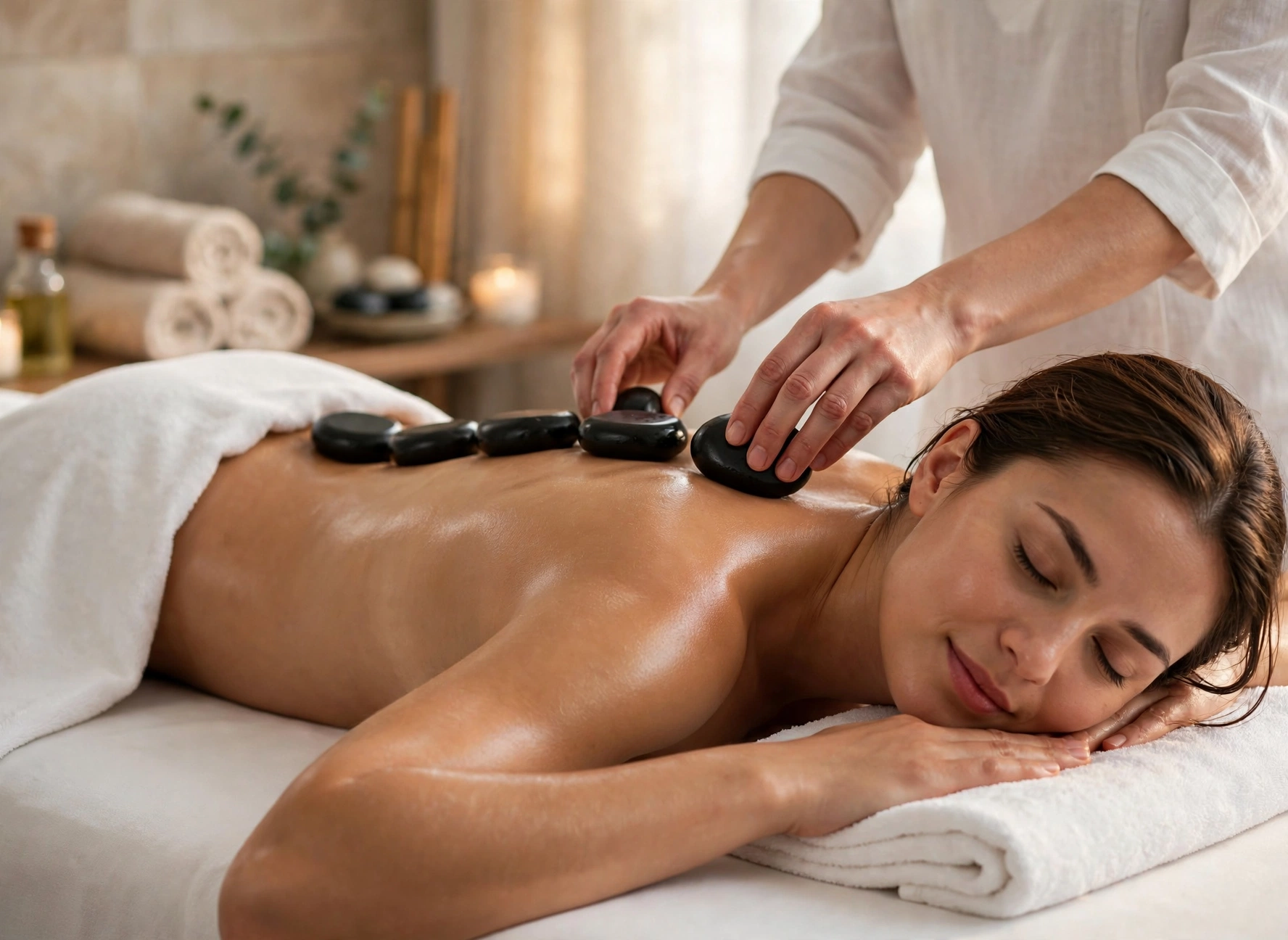
What happens during a session
After a consultation and draping, the therapist warms the stones in water — typically to a comfortably warm temperature, never scalding. The session usually follows this shape:
- Warm-up: standard massage strokes relax the surface muscles first.
- Stone placement: warm stones rest on the back, shoulders, or legs while the therapist works elsewhere.
- Stone massage: the therapist uses oiled, heated stones in their hands to glide over muscles.
- Cool-down: stones are removed and the session finishes with lighter strokes.
Stones should feel comfortably warm, never painfully hot. A professional therapist checks in about heat, and you should speak up the moment anything feels too hot — burns are the main preventable risk.
What the evidence says
There is limited high-quality research specifically on hot stone massage. What exists suggests it is experienced as relaxing, similar to other gentle massage forms. Claims that it “draws out toxins,” balances energy, or treats disease go beyond the evidence and should be treated as marketing, not medicine.
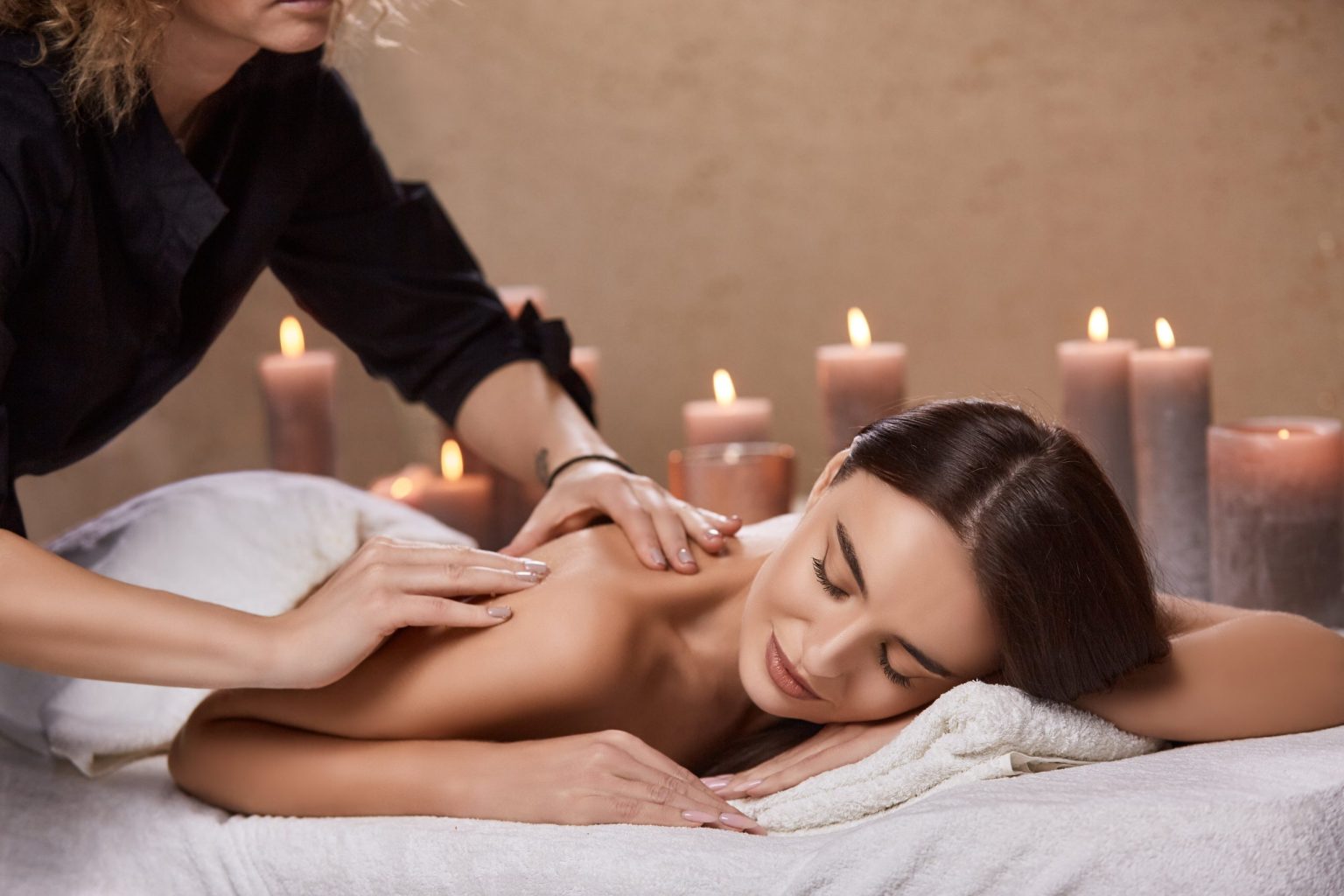
Safety: the heat rules
Avoid hot stone massage or ask a clinician first if you have:
- reduced sensation anywhere stones will be placed (for example, diabetic neuropathy) — you may not feel a burn developing;
- inflamed skin, open wounds, burns, rashes or recent sunburn;
- an acute injury, sprain or inflamed joint — heat can worsen swelling;
- cardiovascular conditions or pregnancy — heat exposure needs medical guidance;
- varicose veins or a history of blood clots in the legs.
Children, older adults and anyone who cannot clearly communicate discomfort need extra caution with heated treatments.
Questions to ask before booking
- How do you control and check the stone temperature?
- What training have you completed in hot stone technique specifically?
- How will you protect my skin — barrier cloth, oil, temperature checks?
- What should I do during the session if a stone feels too hot?
Frequently asked questions
Can hot stone massage burn me?
It should not, when done professionally. Burns happen with overheated stones, poor technique or impaired sensation. Speak up immediately about heat — a good therapist thanks you for it.
Is it better than regular massage for pain?
There is no strong evidence it outperforms standard massage for pain. Choose it for the warmth and relaxation experience, not superior medical effects.
How should I prepare?
Hydrate normally, avoid heavy meals just before, mention all health conditions and medication, and arrive with clean, product-free skin where stones will be placed.
Sources
- NCCIH — Massage Therapy: What You Need to Know
- Cleveland Clinic — Therapeutic Massage: What It Is and Potential Benefits
Medical disclaimer: This article is general education, not personal medical advice. Consult a qualified health professional about whether hot stone massage suits your health.