Massage therapy · Beginner guide
Swedish Massage: A Complete Beginner’s Guide
Swedish massage is the classic relaxation massage most people picture. Here is how it works, what the five core strokes do, and what to expect at your first session.
If you have ever booked “just a massage” at a spa, you probably received a Swedish massage. It is the foundation of most Western massage practice: flowing strokes, kneading and rhythmic movements designed to relax muscles, ease tension and support a sense of well-being.
It is also the gentlest widely practised style, which makes it a sensible first choice if you have never had a professional massage.
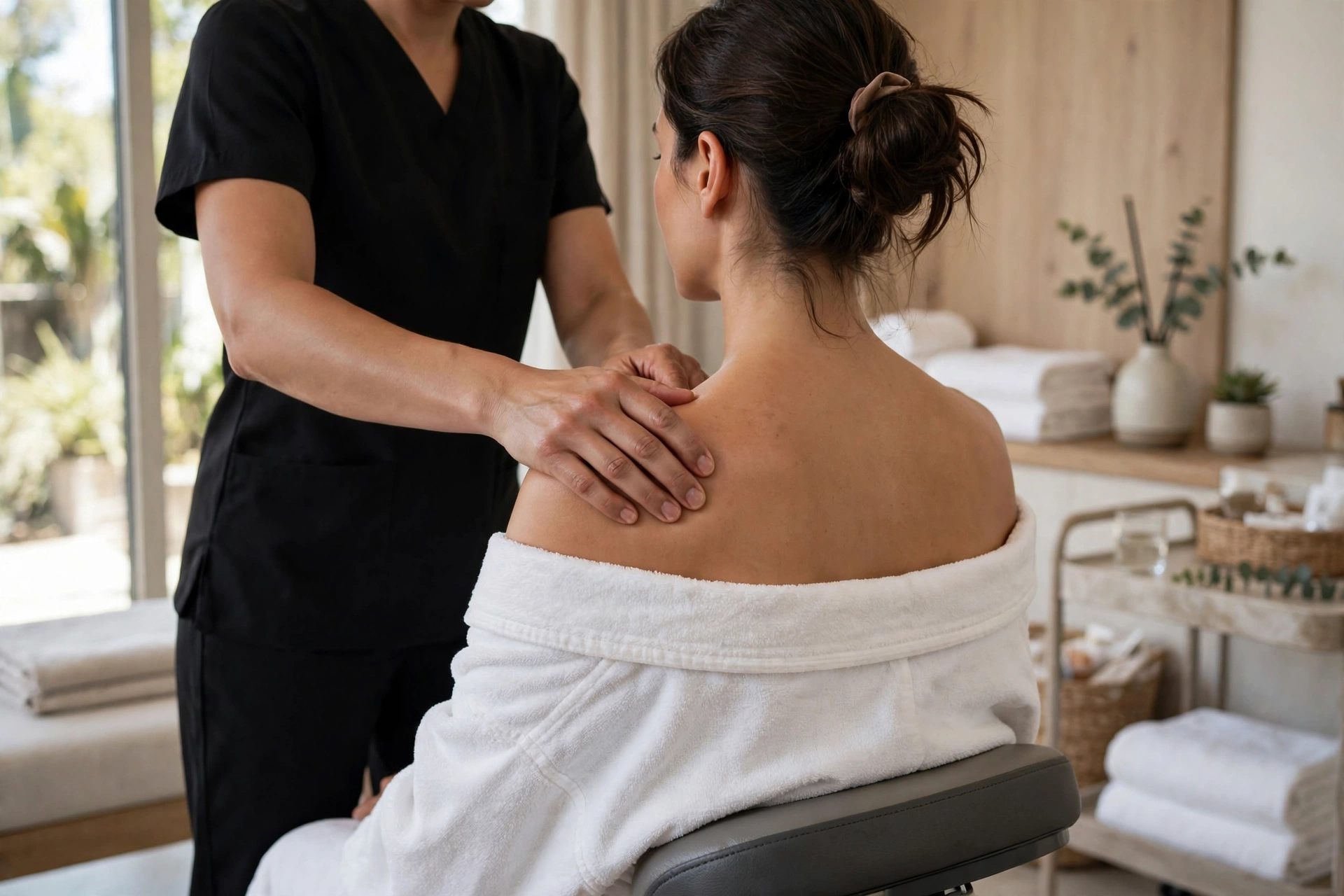
The five classic strokes
Swedish massage is traditionally described through five stroke families. A therapist blends them continuously rather than performing them as separate steps.
1. Effleurage — gliding strokes
Long, flowing strokes, usually to warm up tissue at the start of a session and to finish an area. They help the therapist assess muscle tone and help you relax into the treatment.
2. Petrissage — kneading
Lifting, rolling and squeezing muscles, much like kneading dough. This is the workhorse stroke for easing general muscle tightness in the back, shoulders and legs.
3. Friction — focused rubbing
Small, deeper circular or cross-fibre movements on a specific spot, used sparingly to address a local area of tension.
4. Tapotement — rhythmic percussion
Light tapping, hacking or cupping movements. Often used briefly on larger muscle groups; it can feel invigorating rather than relaxing, so tell the therapist if you dislike it.
5. Vibration — shaking
Fine trembling movements applied with the hands to encourage muscles to release. Used lightly and briefly.
What it may help with
People most often choose Swedish massage for general relaxation, everyday muscle tension and stress relief. Research on massage for pain conditions suggests benefits tend to be modest and short term, and Swedish massage is not a treatment for injuries, disc problems or disease — but as a complement for tension and well-being, it is widely used.
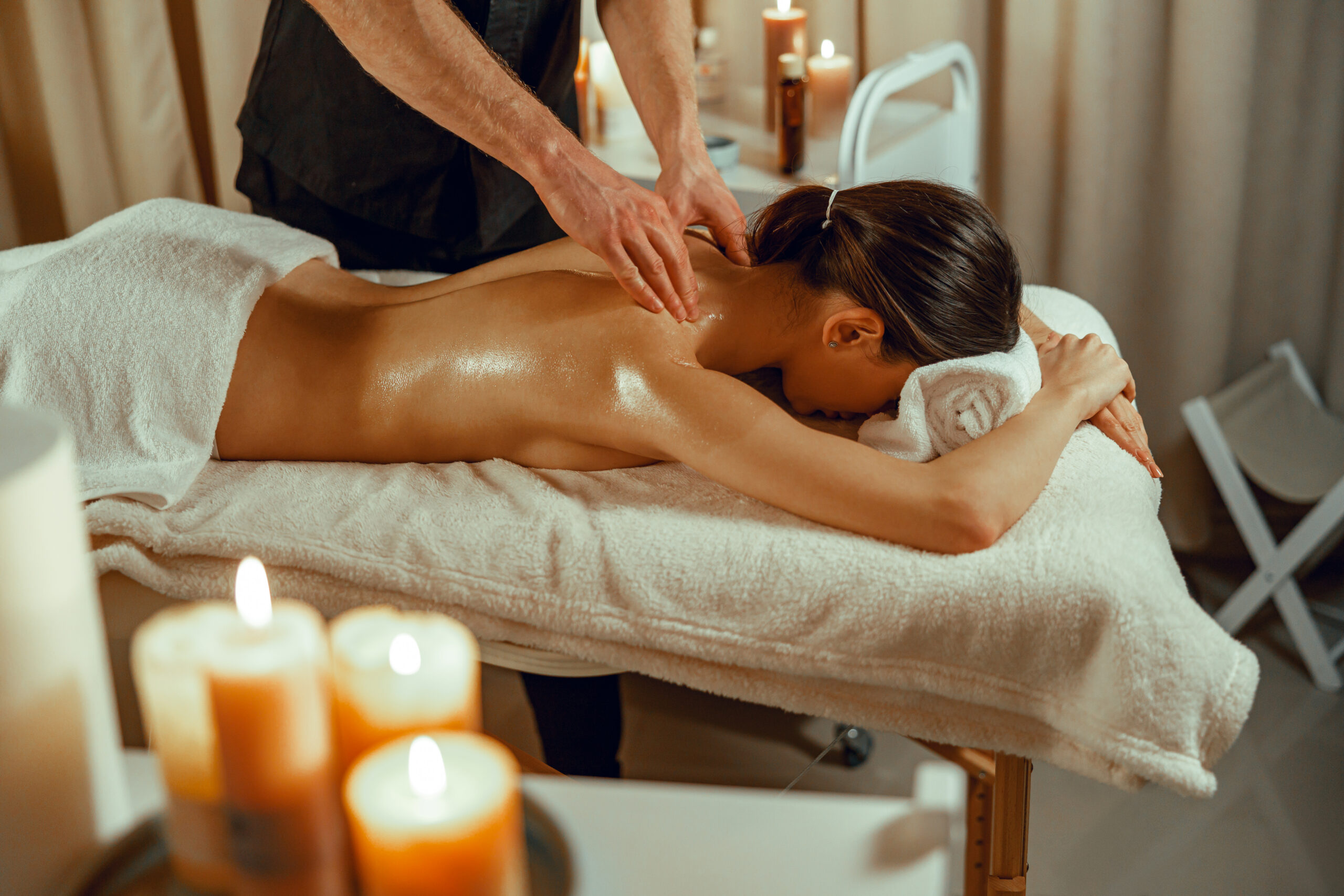
Your first session: what happens
- Consultation: you discuss your goals, health history, medication, injuries and areas to avoid.
- Privacy: the therapist leaves the room while you undress to your comfort level and lie on the table.
- Draping: a sheet or towel covers you; only the area being worked on is uncovered.
- Communication: you can ask for lighter or firmer pressure, more coverage, a different position, or a stop — at any time.
- After: take a few minutes before getting up; mild relaxation or light-headedness is normal.
Safety notes
Check with a clinician first if you:
- have a blood-clotting disorder or take blood thinners;
- have severe osteoporosis or a recent fracture;
- have recent surgery, wounds, burns or skin infection;
- have a fever, an acute injury with swelling, or unexplained severe pain;
- are pregnant — some positions and techniques need modification.
Frequently asked questions
Do I have to undress fully?
No. Undress only to your comfort level. Swedish massage can be adapted, and professional draping keeps you covered throughout.
How long is a session?
Typically 60 minutes for a full-body session; 30 minutes for back, neck and shoulders only; 90 minutes if you want slower, fuller coverage.
Will I be sore afterwards?
Usually not with Swedish pressure, though mild tenderness can occur. Drink water normally and move gently afterwards.
Swedish vs deep tissue — which should I choose?
Choose Swedish for general relaxation and first-time sessions. Consider deep tissue if you want slower, more focused work on persistent tension — and read our deep tissue guide first.
Sources
- NCCIH — Massage Therapy: What You Need to Know
- Mayo Clinic Press — What to Expect During a Massage Therapist Visit
Medical disclaimer: This article is general education, not personal medical advice. Consult a qualified health professional about whether massage suits your health.