What therapeutic massage is (and isn’t)
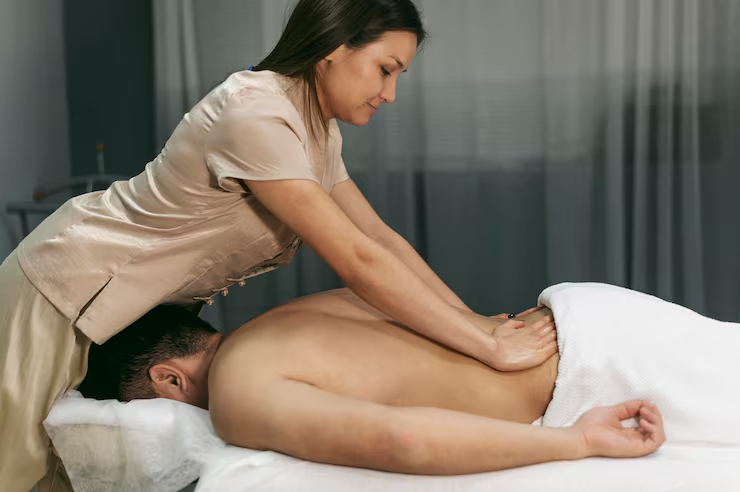
Therapeutic massage means massage given with a specific health goal in mind — easing persistent muscle tension, supporting recovery after strain, or helping you move more comfortably — rather than purely for pampering. It is practised by trained therapists in clinics, hospitals, physiotherapy practices and wellness centres.
It is not the same as a spa relaxation massage, though the two overlap. A therapeutic session usually starts with a short assessment: your symptoms, health history, medication and what you want to achieve. The therapist then chooses techniques to match, and should explain the plan before starting.
Massage is generally used as a complement to other care — movement, exercise, physiotherapy or medical treatment — not as a replacement for it. Anyone who promises a massage alone will “fix” a disc problem, cure a disease or permanently realign your spine is overselling.
Benefits: what the evidence says
Research on massage is growing but still limited. Reviews summarised by the U.S. National Center for Complementary and Integrative Health (NCCIH) suggest massage may offer:
- Modest, short-term relief for some conditions such as low-back, neck and shoulder pain, knee osteoarthritis and headaches;
- Reduced muscle tension and perceived stress after sessions, which some people find helps sleep and general well-being;
- Support alongside rehabilitation — for example, easing guarding and stiffness while you rebuild strength and movement.
Related: Neck and Shoulder Pain: Can Massage Help?
What massage does reliably offer is a structured, hands-on session with a professional who listens — and for many people with persistent tension, that combination itself is valuable.
Common types of therapeutic massage
Different styles suit different goals. These are the ones you will most often encounter:
Swedish or classical massage
Usually combines flowing strokes, kneading and rhythmic movements. Often the gentlest option and a good starting point if you have never had a professional massage.
Related: Swedish Massage: A Complete Beginner’s Guide
Deep-tissue massage
Uses slower, more focused pressure on deeper muscle layers. Often chosen for persistent knots and stiff areas, but it should never be unbearably painful — “no pain, no gain” is a myth here.
Related: Deep Tissue Massage: Benefits, Techniques and What to Expect
Sports massage
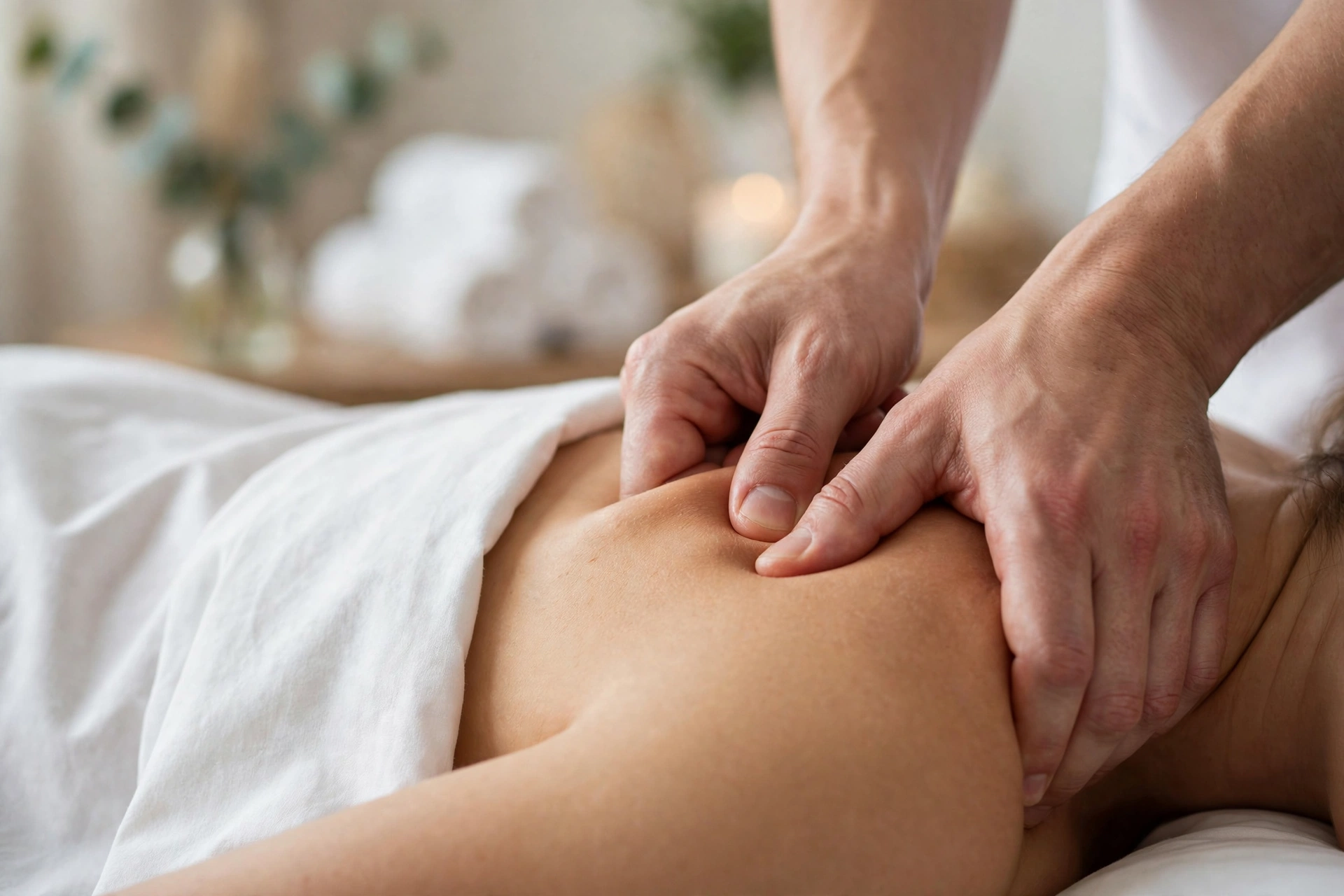
Targets the demands of training and competition: warming up, recovery between sessions, and addressing overuse tightness. Often combined with stretching advice.
Related: Sports Massage for Training and Recovery
Hot-stone massage
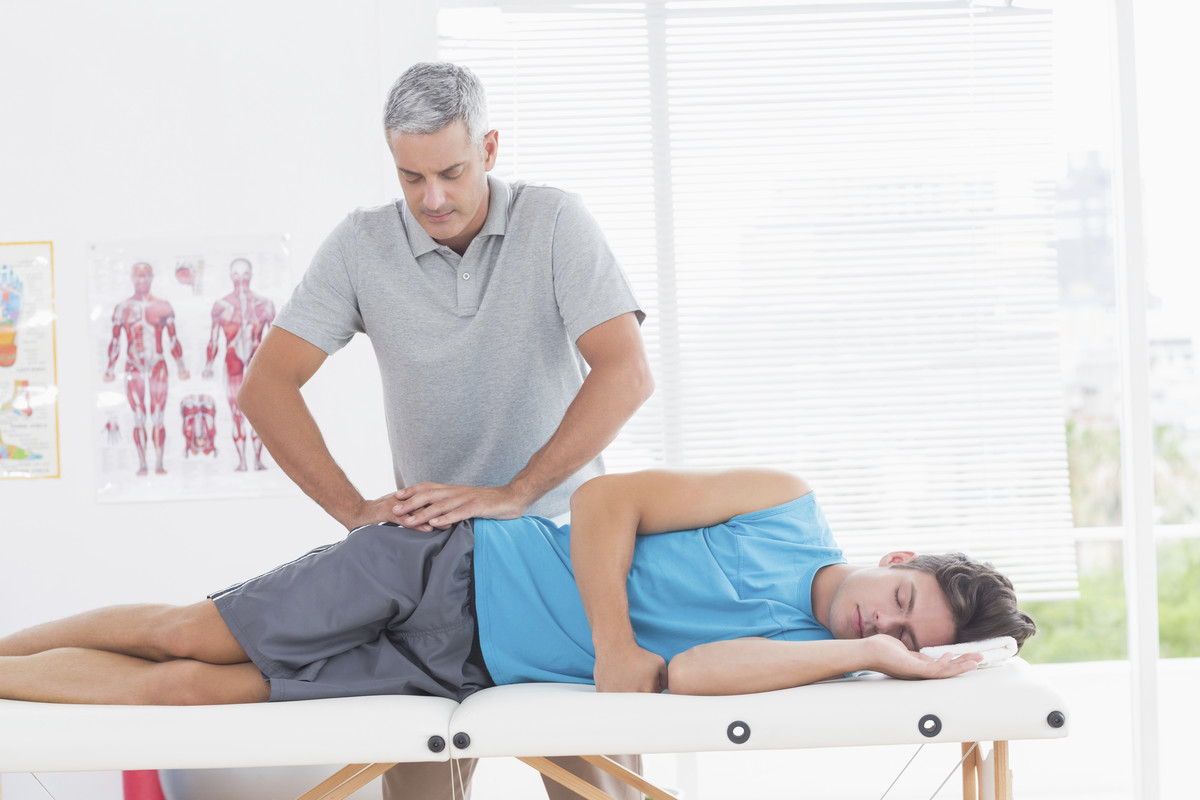
Smooth, warmed stones may be placed on the body or used as an extension of the therapist’s hands. The warmth can help muscles relax, but stones must never feel scalding.
Related: Hot Stone Massage: How It Works and Is It Safe?
Other styles you may meet
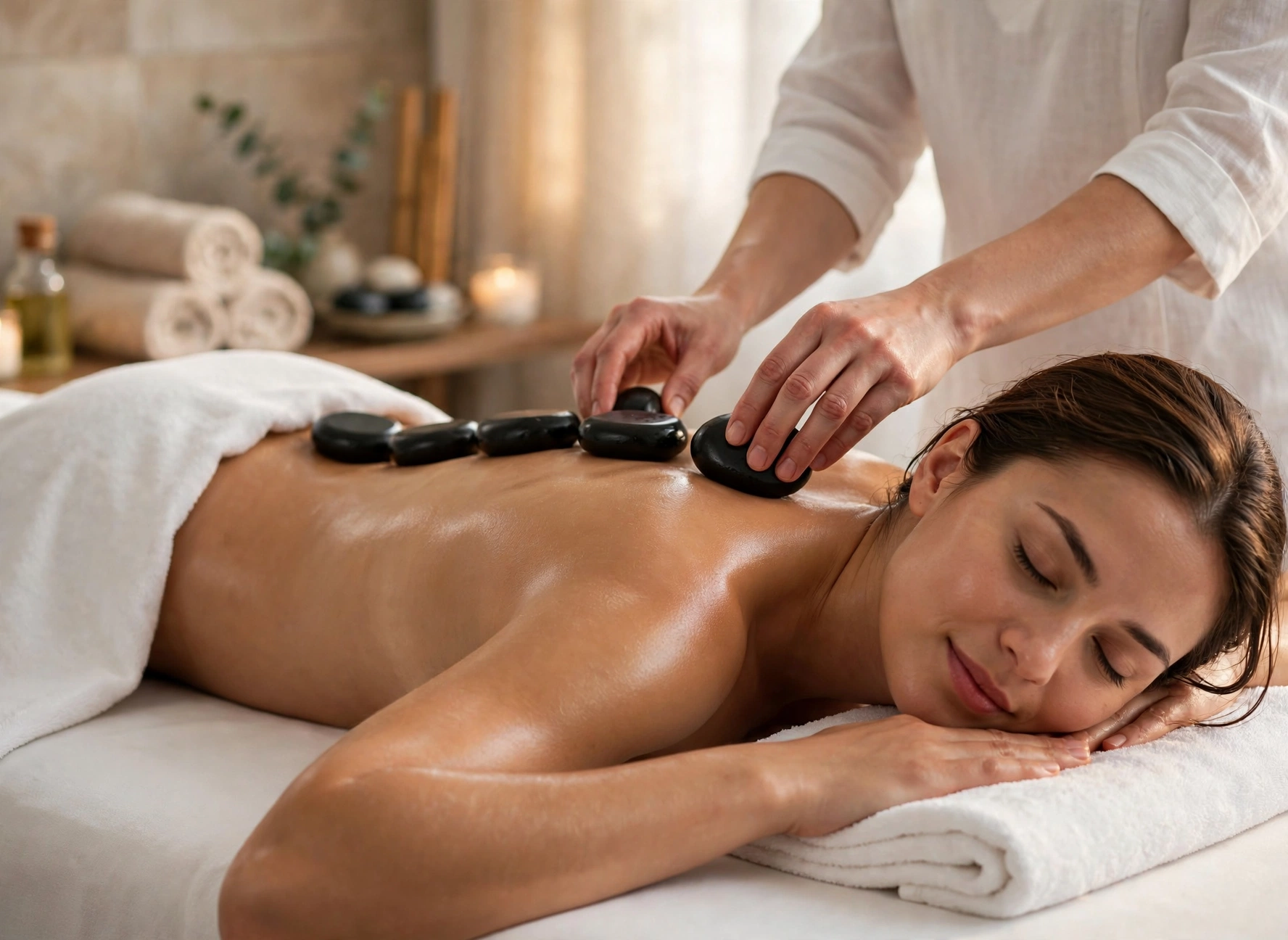
Trigger-point work focuses on specific tender spots; myofascial release uses sustained gentle pressure on connective tissue; chair massage offers a short, clothed session targeting neck, shoulders and back. Ask what a style involves before booking.
What to expect in a session
- Consultation: you discuss your goals, health history, injuries, medication and areas to avoid.
- Privacy: the therapist leaves the room while you undress to your comfort level and position yourself on the table.
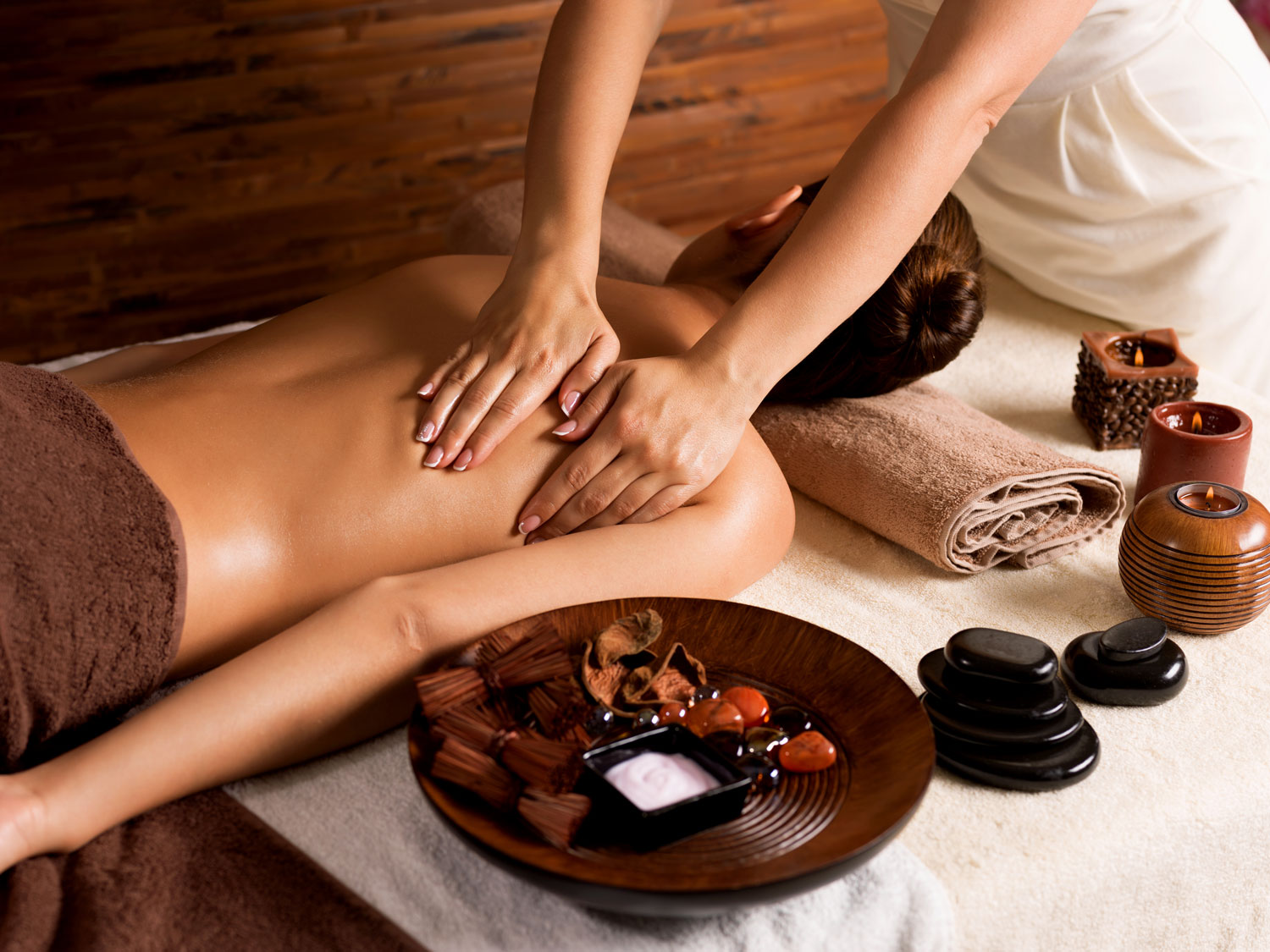
- Draping: a sheet or towel covers you at all times; only the area being treated is uncovered.
- Communication: you can ask for lighter or firmer pressure, more coverage, a different position, or a pause — at any time, without apology.
- After: take a few minutes before getting up. Mild relaxation, thirst or light soreness can be normal; severe or worsening pain is not.
Safety, risks and who should be careful
Massage is low-risk for most healthy adults, but it is not risk-free. Firm pressure can cause soreness, bruising or, rarely, injury — which is why technique, communication and practitioner training matter.
- take blood thinners or bruise easily;
- have severe osteoporosis, fragile bones or a recent fracture;
- have a blood-clotting disorder or a known clot;
- have recent surgery, open wounds, burns or skin infection;
- have a fever, an acute injury with swelling, or unexplained severe pain;
- are pregnant — positioning and techniques need modification;
- have cancer, an implanted device or ongoing medical treatment.
Red flags — seek medical care, not a massage, for: sudden severe back or neck pain, pain with fever, numbness or weakness in a limb, loss of bladder or bowel control, chest pain, or a hot swollen joint. These need prompt medical assessment.
During any session, sharp, burning, electrical or spreading pain is a signal to reduce pressure immediately. A professional therapist adapts without argument.
Choosing a qualified therapist
- Credentials: look for recognised training and, where applicable, licensing or registration with a professional body.
- Assessment first: a good therapist asks about your health before touching you — beware anyone who skips this.
- Clear consent: they should explain the plan, draping and what to expect, and confirm you are comfortable.
- No miracle claims: promises to “cure” conditions or demands to pre-pay long series are warning signs.
- Hygiene and boundaries: clean linens, a professional setting, and respect for your privacy and modesty throughout.
Cost and how often to go
Prices vary widely by region and setting. A sensible approach is to try a short plan first — for example, two or three sessions — and judge by a concrete measure: less morning stiffness, easier desk work, better sleep. Continue only if it is genuinely helping, and discuss frequency openly rather than accepting an open-ended booking schedule.
Some health plans cover massage when prescribed or given by licensed providers; check your policy rather than assuming.
Frequently asked questions
Does therapeutic massage have to hurt to work?
No. Intensity without control is not more effective. Tolerable, focused pressure with good communication gives the best results.
How is it different from a spa massage?
A spa massage aims mainly at relaxation. A therapeutic session starts with an assessment and targets a specific health goal, though it can still be relaxing.
Can I exercise after a massage?
Light movement is usually fine. Give your body a day before intense training if you feel sore.
Is massage safe during pregnancy?
Often yes, with modifications — but check with your clinician first and choose a therapist experienced in prenatal massage.
What should I wear?
Undress only to your comfort level in private. Professional draping keeps you covered throughout, and techniques can be adapted.
Sources
- NCCIH — Massage Therapy: What You Need to Know
- Cleveland Clinic — Therapeutic Massage: What It Is and Potential Benefits
- Mayo Clinic Press — What to Expect During a Massage Therapist Visit
Medical disclaimer: This article is general education, not personal medical advice. Consult a qualified health professional about whether massage suits your health.