Massage therapy · For active people
Sports Massage for Training and Recovery
Sports massage targets the demands of training and competition — but it is not magic recovery. Here is what it does, what it does not, and how to use it wisely.
Sports massage is massage adapted for people who train: runners, lifters, team-sport athletes and regular gym-goers. It focuses on the muscles you actually use — often with firmer pressure, compression, assisted stretching and focused work on overused areas.
It is popular in locker rooms for good reason, but marketing often oversells it. Used well, it is a useful complement to training, sleep, nutrition and proper load management — not a substitute for any of them.
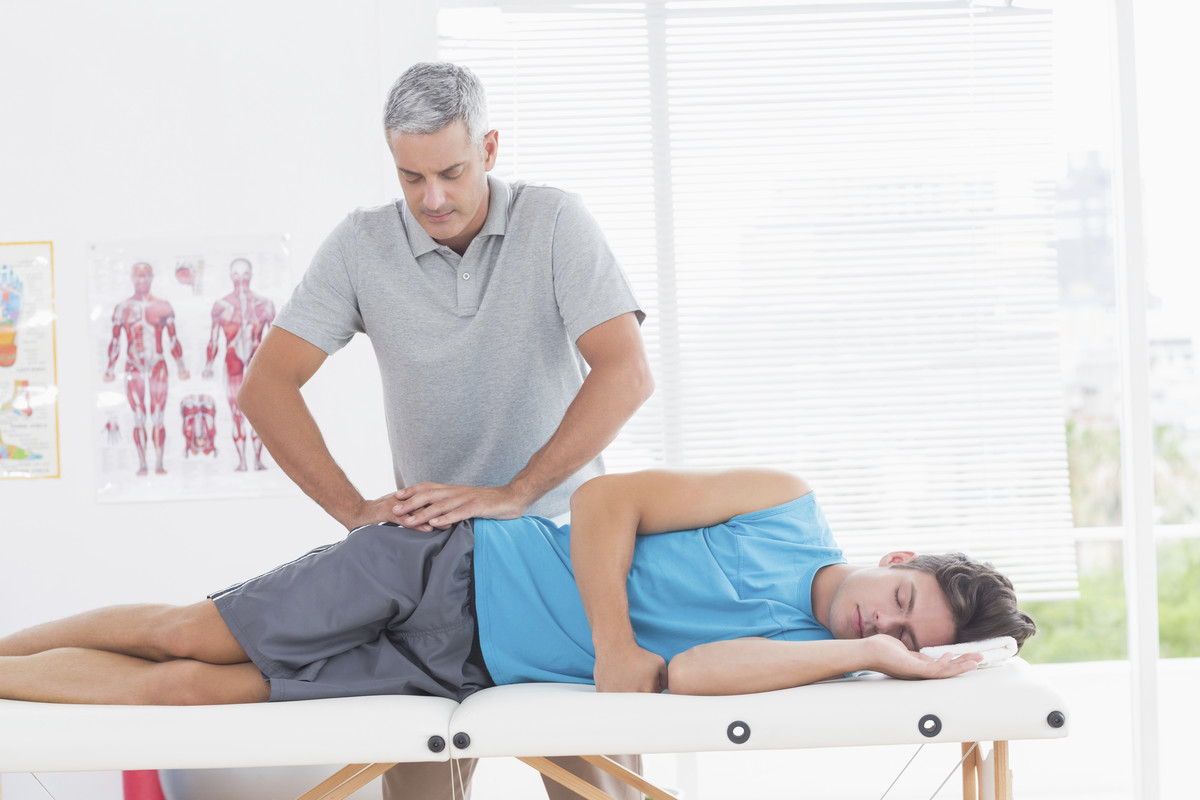
The three common timings
Pre-event (before training or competition)
Short, stimulating and general — the goal is to warm up tissue and help you feel ready, not to dig into deep tension. Deep, painful work right before competing is counterproductive.
Post-event (after training or competition)
Lighter, calming work aimed at helping you wind down. Evidence for faster physiological recovery is limited, but many athletes report feeling less stiff and sleeping better.
Maintenance (between sessions)
Regular focused work on your problem areas — tight calves, guarded shoulders, achy lower back — as part of an ongoing training plan.
What the evidence actually shows
Research suggests sports massage may temporarily reduce perceived soreness and improve short-term flexibility, but effects on actual performance, injury prevention and muscle damage markers are modest or inconsistent. It does not “flush lactic acid” — the body clears metabolic byproducts on its own — and no massage can replace progressive training.
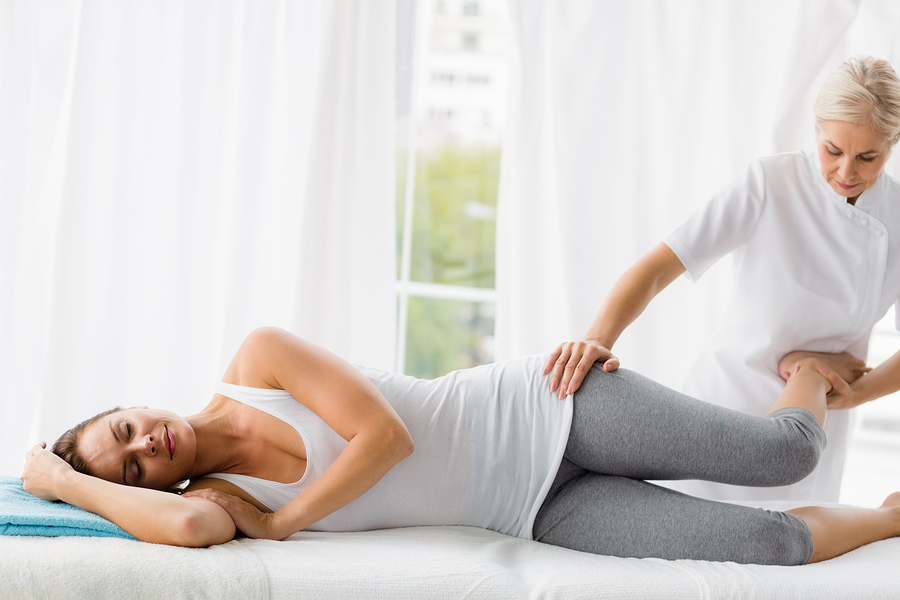
Safety: when not to push through
Skip the massage and get assessed first if you have:
- an acute injury with swelling, bruising or loss of function;
- severe or worsening pain, numbness, or weakness;
- a suspected fracture, dislocation or tendon rupture;
- fever, infection, or unexplained swelling;
- a blood-clotting disorder or you take blood thinners.
Massage should never be used to “push through” a real injury. Pain that changes how you move is information — get it diagnosed.
Finding the right sports massage therapist
- Look for specific training in sports massage, not just a general certificate.
- Ask whether they work with athletes in your sport and understand its demands.
- A good one asks about your training schedule, injuries and goals — and coordinates with your coach or physio when needed.
- They should explain the plan (areas, pressure, timing relative to your training) and adjust based on your feedback.
- Be wary of anyone who guarantees performance gains or insists on long prepaid packages.
Frequently asked questions
Should sports massage hurt?
It can be intense, but it should stay tolerable and purposeful. Sharp or alarming pain is always a stop signal, whatever the style.
How close to competition should I book?
Keep pre-event work light and familiar. Save deeper work for days when you have 48+ hours before competing.
Can it prevent injuries?
No strong evidence shows massage prevents injuries. Strength training, load management, sleep and good coaching matter far more.
Sources
- NCCIH — Massage Therapy: What You Need to Know
- Cleveland Clinic — Therapeutic Massage: What It Is and Potential Benefits
Medical disclaimer: This article is general education, not personal medical advice. Consult a qualified health professional about injuries or whether sports massage suits you.