Musculoskeletal health · Evidence-aware guide
Therapeutic body massage, explained
What skilled massage may help, where the evidence is limited, and how to have a safe, professional session that respects your health and boundaries.
A therapeutic massage is not simply “more pressure.” It is a planned, hands-on approach to muscles and other soft tissues, adapted to a person’s symptoms, comfort and health history. A good session is collaborative: the therapist explains what they propose, the client controls pressure and positioning, and either person can stop if something does not feel right.
Massage is often used alongside exercise, physiotherapy, medication or other care—not in place of them. Research suggests that benefits for some pain problems are generally modest or short term, and the quality of evidence varies by condition and technique.
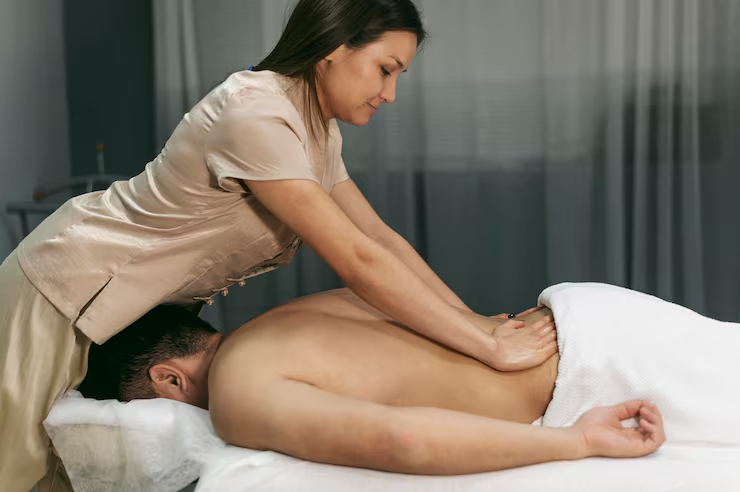
What makes massage “therapeutic”?
Massage therapy involves manipulating the body’s soft tissues. A therapeutic or clinical session is goal-led: perhaps easing guarded shoulder muscles, making movement more comfortable, helping someone relax during a stressful period, or supporting a broader rehabilitation plan. The session may focus on one region rather than the whole body.
The phrase therapeutic massage does not describe one universal technique. Training standards and professional titles differ between countries and regions, so it is important to check a practitioner’s qualifications rather than relying on a label alone.
What may it help with?
The strongest reason to try massage is usually symptom management. According to the U.S. National Center for Complementary and Integrative Health (NCCIH), research has examined low-back, neck and shoulder pain, knee osteoarthritis and headaches. The results are mixed: some studies show short-term relief, but certainty is often low and massage is not consistently better than other active treatments.
Gentle to moderate work may help reduce the feeling of tightness after sustained postures or activity.
Some people with back, neck or shoulder discomfort report temporary improvement.
A focused session may make stretching or moving a stiff region feel easier.
A calm setting and safe, consensual touch can support rest and a sense of well-being.
Massage can sometimes be part of supportive cancer care when the oncology team agrees and the therapist has relevant training. Pressure and positioning may need significant modification. For post-surgical swelling, scars or lymphoedema, seek a clinician specifically trained for that condition and get clearance from the treating team.
Improvement should be measurable. Before booking a series, choose a simple outcome: pain during a particular activity, sleep comfort, range of motion or frequency of tension headaches. Reassess after a few sessions. If there is no useful change, reconsider the plan rather than automatically purchasing more treatment.
Professional treatment settings

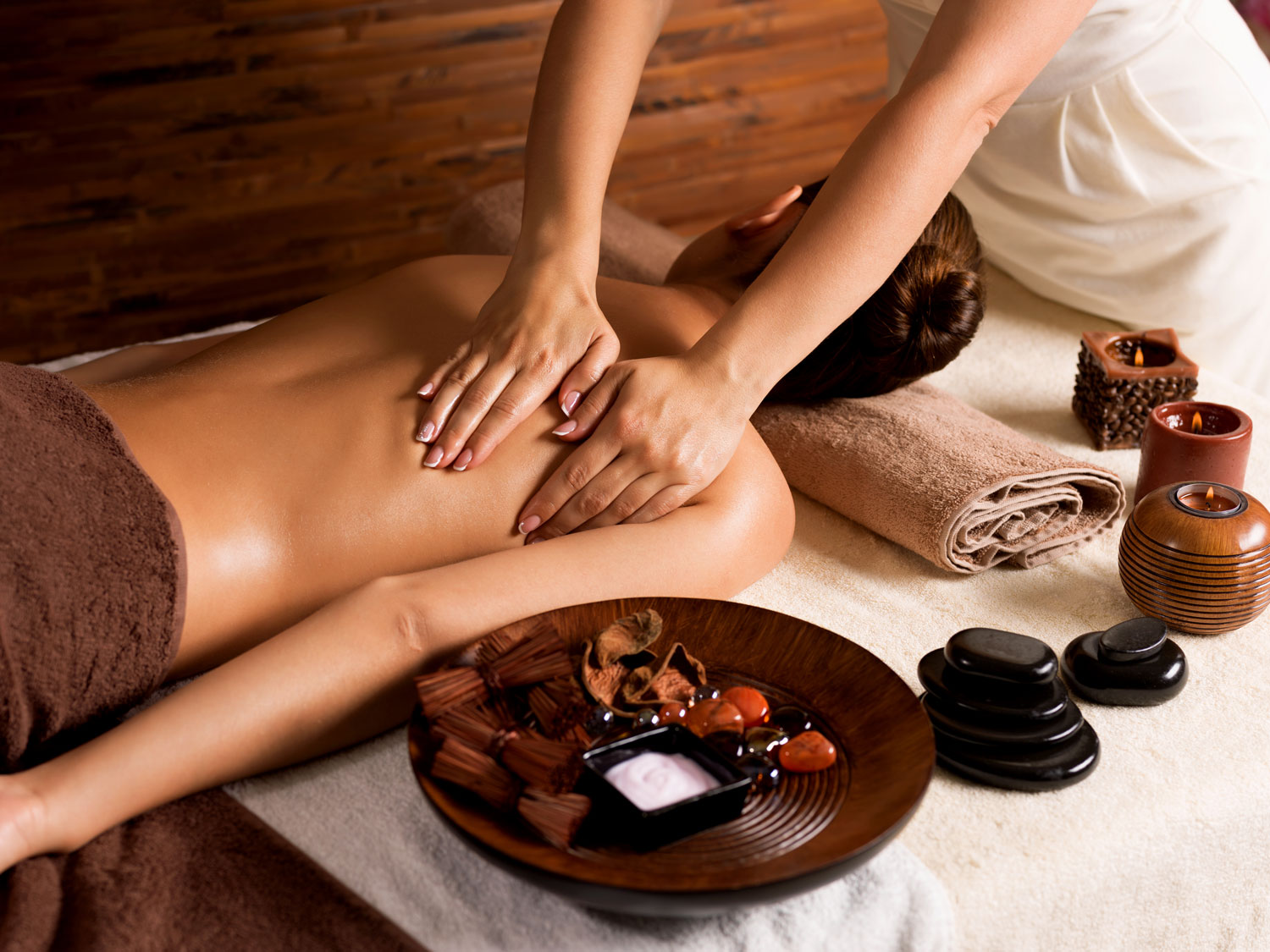

A warm spa atmosphere can help some people settle, but professional standards—assessment, consent, clean linens, appropriate draping and adaptable pressure—matter more than décor.
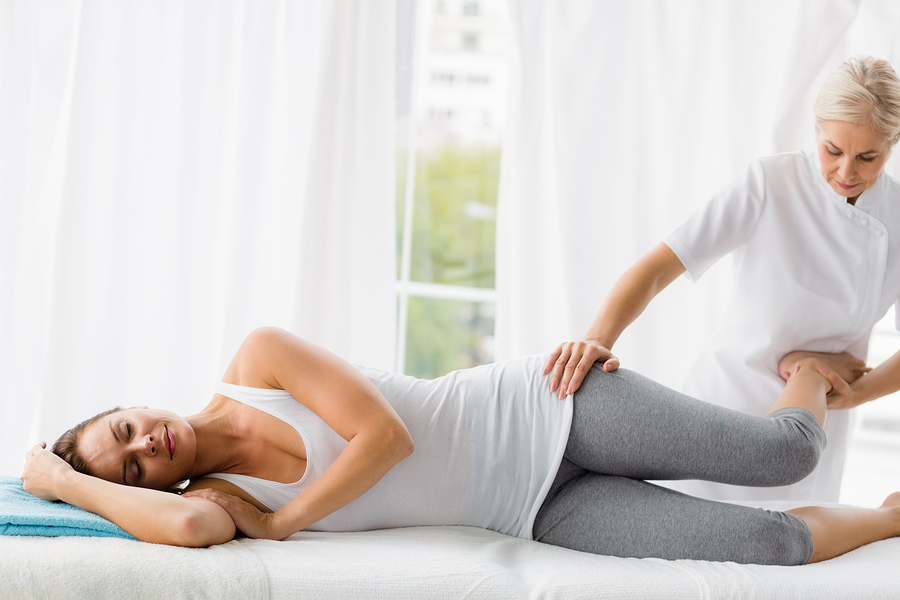
Common techniques—and how they differ
Swedish or classical massage
Usually combines flowing strokes, kneading and lighter rhythmic work. It is often chosen for general relaxation or broad muscle tension and can be adjusted from gentle to moderately firm.
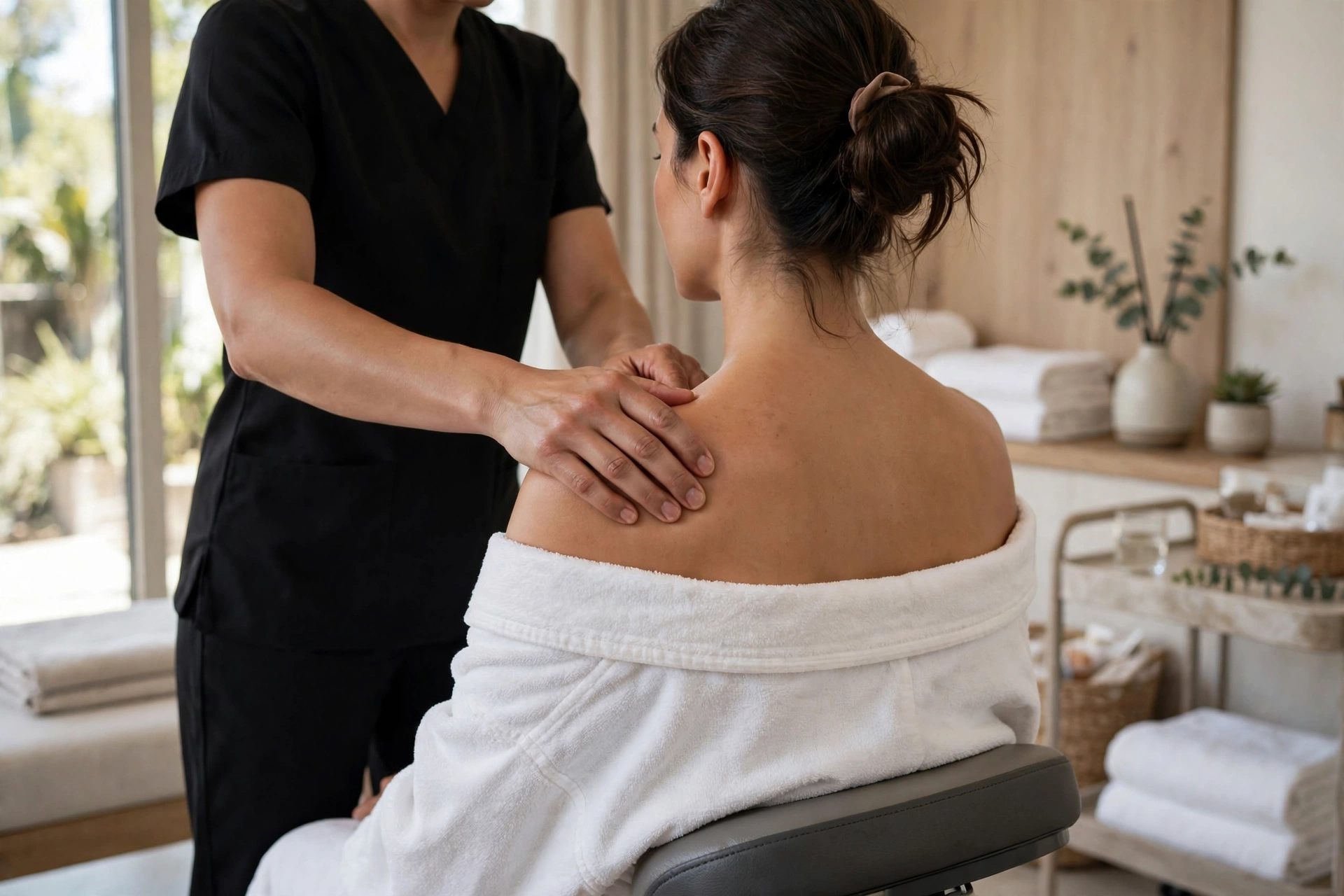
Deep-tissue massage
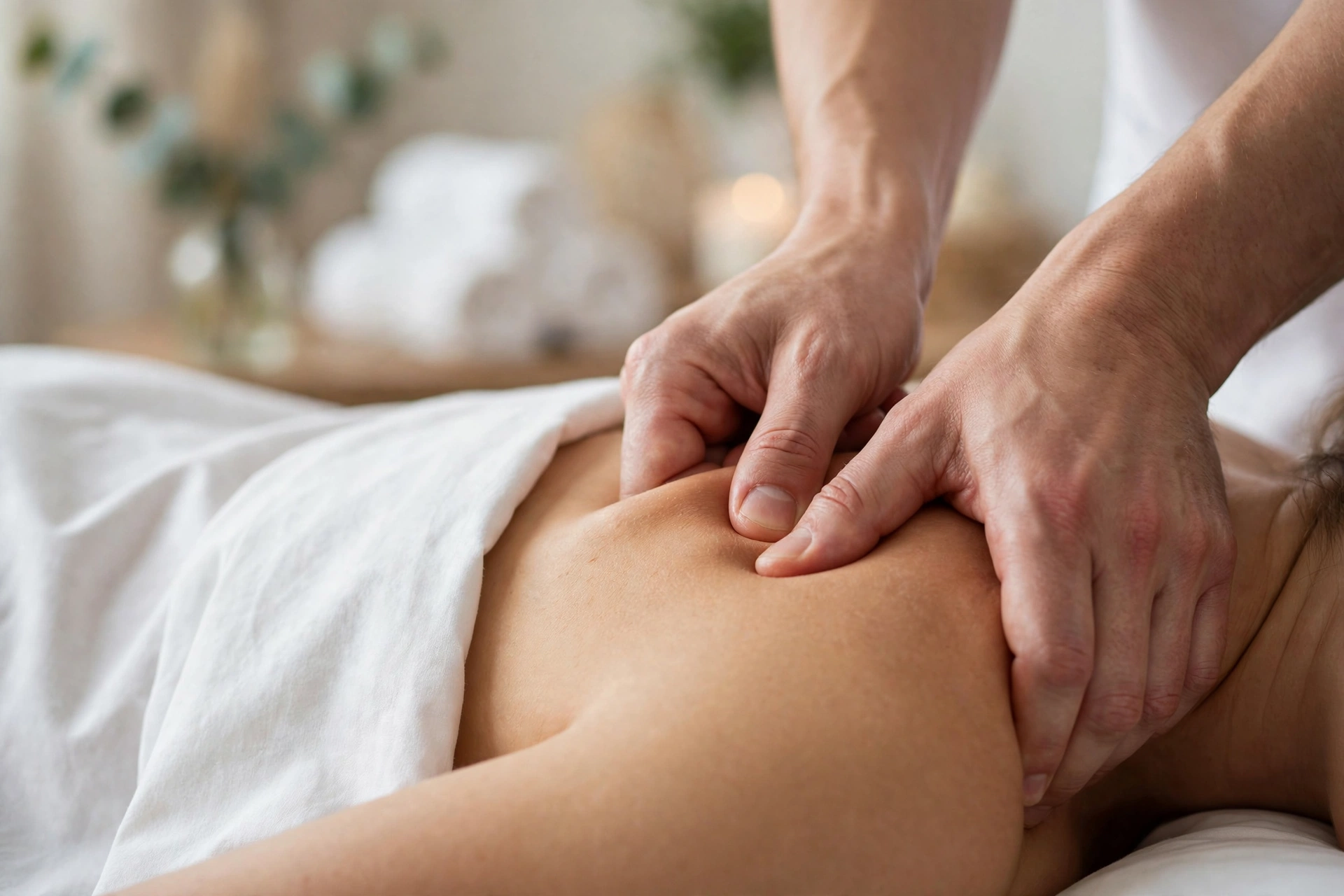
Uses slower, more focused pressure to work on deeper layers. “Deep” should never mean uncontrolled or intolerably painful. More pressure is not automatically more effective, and vigorous work carries greater risk for people who bruise easily, have fragile bones or take blood thinners.
Sports massage
Targets the demands of training, competition and recovery. It may include compression, assisted movement and focused work on overused areas. An acute injury still needs appropriate assessment; massage should not be used to push through severe pain, swelling or loss of function.
Hot-stone massage
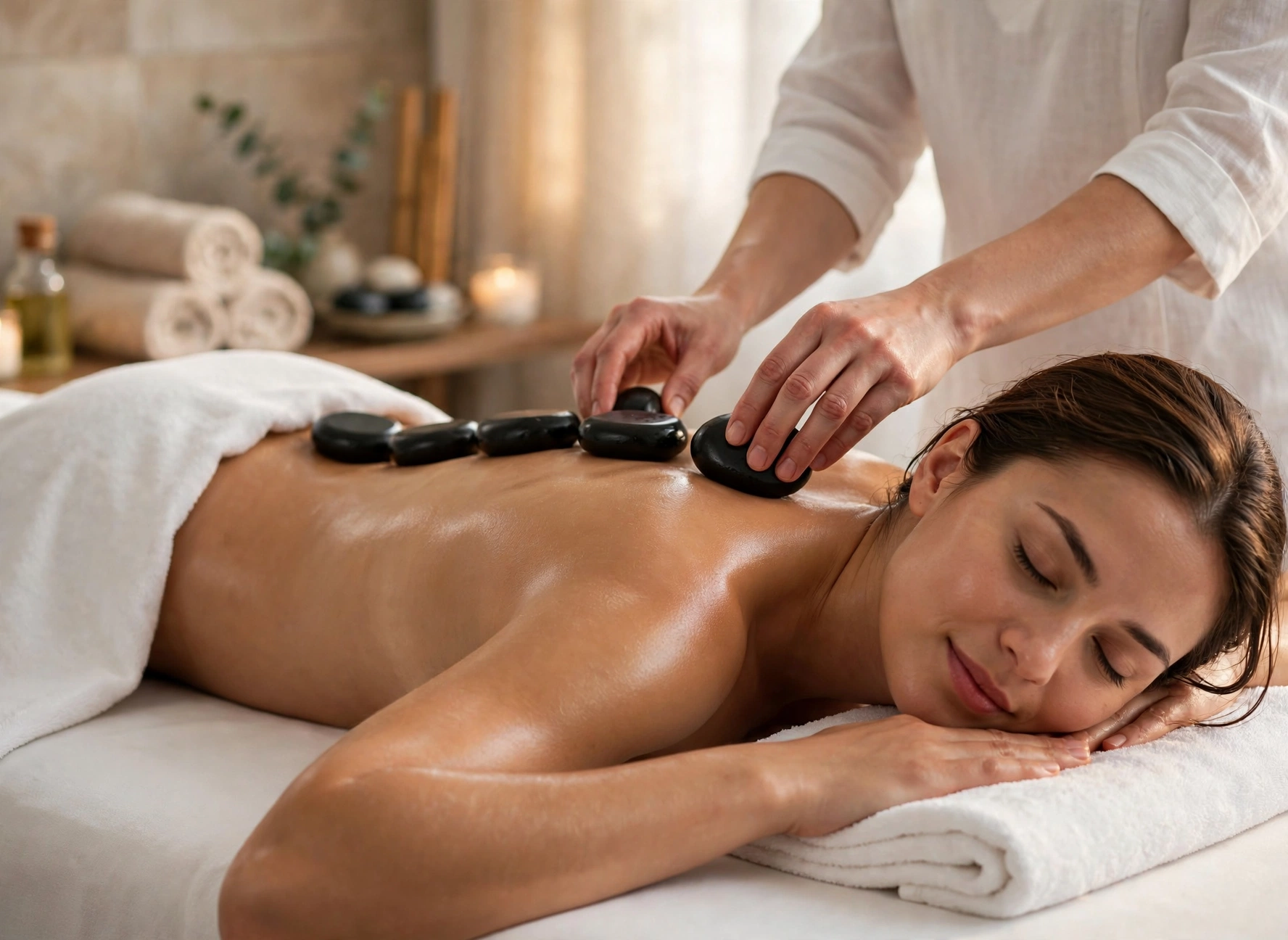
Smooth, warmed stones may be placed on the body or used in the therapist’s hands during gentle massage. The warmth can support relaxation, but stones should feel comfortably warm—not painfully hot—and should not be used over areas with reduced sensation, inflamed skin or an acute injury.
Trigger-point or focused work
The therapist concentrates on a small tender region and surrounding tissues. Pressure may feel intense, but sharp, electrical, burning or spreading pain is a signal to reduce pressure or stop.
Specialist techniques
Manual lymphatic drainage, oncology massage, pregnancy massage and post-operative scar work require condition-specific training. Ask what additional education the therapist has completed and whether medical clearance is needed.
What a professional session should look like
- A brief consultationYou discuss your goal, symptoms, diagnoses, medication, allergies, recent procedures and areas that should not be touched.
- A clear plan and consentThe therapist explains the areas to be treated, technique, pressure and positioning. Consent is ongoing, not a one-time form.
- Privacy and drapingYou undress only to your comfort level, in private. A sheet or towel covers you, with only the area being treated uncovered.
- Continuous communicationYou can ask for lighter pressure, a different position, more coverage, or an immediate stop—without needing to justify it.
- A simple follow-upThe therapist checks your response and may suggest gentle movement or hydration. Dramatic “toxin release” claims are not necessary.
Significant pain is not a requirement for progress. Mild, temporary tenderness can occur after firmer work, but worsening symptoms, marked swelling, weakness, numbness or unusual bruising deserve attention.
Safety first: when to pause or ask a clinician
Massage is generally low risk when performed appropriately, but rare serious harms—including nerve injury, fracture and complications involving blood clots—have been reported. Risk depends on pressure, technique, the area treated and your health.
Get medical advice before massage if you have:
- a known or suspected blood clot, clotting disorder, or treatment with blood-thinning medication;
- severe osteoporosis, fragile bones or a recent fracture;
- recent surgery, a healing wound, burns, active skin infection or unexplained rash;
- cancer, lymphoedema, implanted medical devices or ongoing medical treatment;
- pregnancy with complications, or any condition for which positioning and pressure need modification;
- new neurological symptoms, unexplained severe pain or a recent hospital admission.
Do not massage directly over an acute injury, inflamed vein, open wound, infected area, new fracture or tumour. Essential oils and lotions can also trigger allergies or irritation; ask what will be used and request an unscented alternative if needed.
Seek urgent medical care—not massage—if you have:
- chest pain, severe shortness of breath or sudden faintness;
- one-sided calf swelling, warmth and pain, especially with breathing symptoms;
- sudden weakness, facial droop, trouble speaking or a severe unusual headache;
- loss of bladder or bowel control, numbness around the groin, or progressive leg weakness;
- major trauma, fever with severe pain, or rapidly worsening symptoms.
How to choose a qualified therapist
Regulation varies widely, so use the same care you would when selecting any health professional. A reputable practitioner welcomes practical questions and does not pressure you into a package before assessing you.
- Verify the licence, registration or recognised qualification required where you live.
- Ask about experience with your specific health condition, age group or stage of recovery.
- Confirm whether they carry professional liability insurance and keep clinical records.
- Look for an explained consent, privacy and draping policy before treatment begins.
- Ask whether they coordinate with doctors or physiotherapists when care needs to be integrated.
- Choose someone who sets realistic goals and refers out when symptoms are outside their scope.
You may request a therapist of a particular gender, bring a support person where policy allows, or ask whether a chaperone is available. Professional treatment should never include sexualised language, pressure to expose more of the body than needed, or contact with intimate areas without a clear clinical reason and explicit, informed consent. If a boundary is crossed, end the session.
Frequently asked questions
How often should I have therapeutic massage?
There is no universal schedule. Frequency should follow your goal, response, budget and clinician’s advice. Try a short, defined plan and continue only if there is a measurable benefit.
Should deep-tissue massage hurt?
It may feel intense or tender, but it should remain tolerable and should not cause sharp, burning, electrical or alarming pain. Ask for less pressure immediately; a good therapist will adapt without argument.
Can massage remove “toxins”?
The body’s liver, kidneys, lungs and other systems handle waste products. Ordinary massage does not require a special detox regimen. Hydrate normally and be cautious of exaggerated detox claims.
Can massage replace physiotherapy?
Usually not. Massage may be one part of care, while physiotherapy may include diagnosis-informed exercise, strength, movement retraining and rehabilitation. The right approach depends on your condition.
Is massage safe during pregnancy?
It can be for many uncomplicated pregnancies when adapted by a properly trained practitioner. Ask your obstetric clinician first if you have complications, bleeding, pain, blood-clot risk or any concern about positioning.
What should I wear?
That depends on the technique. Many forms can be performed through comfortable clothing. If oil is used, undress only as far as you choose; professional draping should keep the rest of your body covered.
Medical sources and further reading
- National Center for Complementary and Integrative Health — Massage Therapy: What You Need to Know
- Cleveland Clinic — Therapeutic Massage: What It Is and Potential Benefits
- Mayo Clinic Press — What to Expect During a Massage Therapist Visit
- U.S. National Cancer Institute — Complementary and Alternative Medicine
Medical disclaimer: This article is general education, not personal medical advice or a diagnosis. A qualified health professional who knows your history can help determine whether massage is appropriate for you.